Contents:
- Problem Statement
- Why Solve It
- Step-by-Step Solution
- Step 1: Choose Your Concept and Menu
- Step 2: Secure Permits and a Cart
- Step 3: Choose Your Location Strategy
- Step 4: Launch and Gather Feedback
- A Cost Breakdown
- A Personal Example
- Examples
- Troubleshooting
- FAQ
- How much does it cost to start a food cart business?
- Do I need a commissary kitchen for a food cart?
- How do I choose the best location for my food cart?
- Can a food cart eventually become a restaurant?
- What insurance does a food cart business need?
- How many hours a week does running a food cart typically require?
- Can a food cart operate at multiple locations throughout the week?
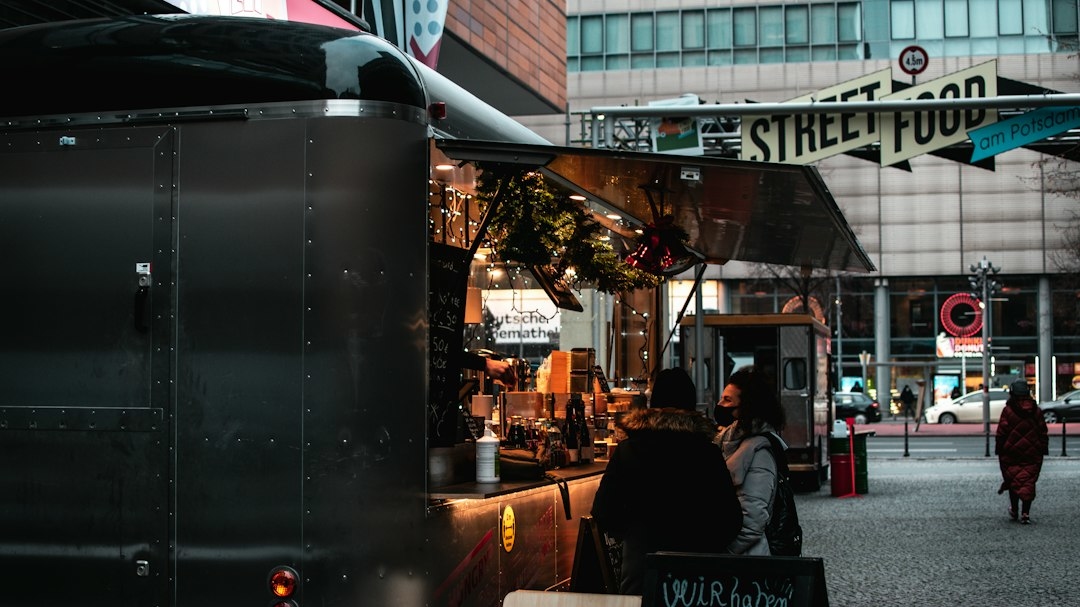
The smell of grilled onions drifting down a busy sidewalk has launched more successful food businesses than most fancy restaurants ever will.
Problem Statement
Aspiring food entrepreneurs often assume a full restaurant is the only path in, overlooking the far lower barrier a food cart actually offers.
Why Solve It
A food cart costs a fraction of restaurant buildout while still testing your concept directly against real, paying customers in real locations.
Step-by-Step Solution
Step 1: Choose Your Concept and Menu
Keep your menu focused on three to five items you can prepare quickly and consistently under real cart conditions, not a full kitchen.
Step 2: Secure Permits and a Cart
Food cart permits, health inspections, and vendor licenses vary by city; budget $5,000-$15,000 for a used cart and initial permitting costs.
Step 3: Choose Your Location Strategy
High foot-traffic spots near offices, parks, or events typically outperform quiet residential areas, though permit availability limits some prime locations.
Step 4: Launch and Gather Feedback
Start with a soft opening among friends and neighbors, adjusting your menu and pricing based on real, immediate customer reactions.
A Cost Breakdown
Total startup costs typically range from $10,000-$30,000, covering the cart itself, permits, initial inventory, and basic marketing materials.
A Personal Example
A former line cook started a taco cart near a business district, building a lunch-hour following that let her quit her restaurant job within a year.
Examples
A coffee cart operator near a college campus focused exclusively on cold brew and pastries, keeping operations simple and highly consistent daily.
Troubleshooting
If sales stay inconsistent, track which specific days and locations perform best, then concentrate your schedule around those proven high-traffic windows.
FAQ
How much does it cost to start a food cart business?
Most food carts launch for $10,000-$30,000, significantly less than the $175,000 or more typically needed for a full restaurant.
Do I need a commissary kitchen for a food cart?
Many cities require food carts to use a licensed commissary kitchen for food prep and storage, typically costing $300-$800 monthly to rent.
How do I choose the best location for my food cart?
Scout potential spots at different times of day, tracking actual foot traffic before committing to a specific regular location.
Can a food cart eventually become a restaurant?
Yes, many successful restaurant owners started with a cart or truck, using it to validate their concept before investing in a permanent location.
What insurance does a food cart business need?
General liability and product liability insurance are essential, typically costing $500-$1,500 annually depending on menu and location risk factors.
How many hours a week does running a food cart typically require?
Most operators work 30-50 hours weekly including prep, sales time, and cleanup, though this varies based on menu complexity and hours served.
Can a food cart operate at multiple locations throughout the week?
Yes, many operators rotate between several proven high-traffic spots, matching their schedule to when each location’s demand peaks.